Buyer note
How to Compare Star Building Systems Alternatives on Total Landed Cost: A 7-Step Checklist for Multi-Unit Procurement
-
Who This Checklist Is For
-
Step 1: Lock the scope on one anchor spec sheet
-
Step 2: Compare quotes on the same incoterm
-
Step 3: Break freight, crane, and permits out of the lump sum
-
Step 4: Confirm what "engineering included" actually means
-
Step 5: Ask how multi-unit pricing is structured
-
Step 6: Price the lead time risk, not just the lead time
-
Step 7: Normalize to cost-per-delivered-unit
-
Common Mistakes Worth Avoiding
How to Compare Star Building Systems Alternatives on Total Landed Cost: A 7-Step Checklist for Multi-Unit Procurement
Most comparisons between Star Building Systems and its alternatives start and end with the base package price. That's a mistake I made for close to two years before I really understood the difference between base price and total landed cost. This checklist is what I use now, specifically for multi-unit procurement. Seven steps. The first four are scoping. The last three are where the real cost differences usually hide.
Quick context: I'm a quality and procurement compliance manager at a steel building sourcing firm. I review every quote package before it goes to a client—roughly 10 to 12 a month, somewhere around 140 a year. In 2024 I sent back close to 25% of first supplier submissions over spec drift, missing line items, or freight quoted at a different incoterm than what the client asked for. So this checklist is what I actually run, not what looks good in a slide deck.
Who This Checklist Is For
You're comparing Star Building Systems or one of their dealer quotes against other alternative products—either other manufacturers, or a sourcing partner who requests factory quotes on your behalf. You're buying more than one building. Could be three units, could be fifteen. You need to see the real number before you sign.
The step most teams miss is step 4. If you only read one, read that one.
Step 1: Lock the scope on one anchor spec sheet
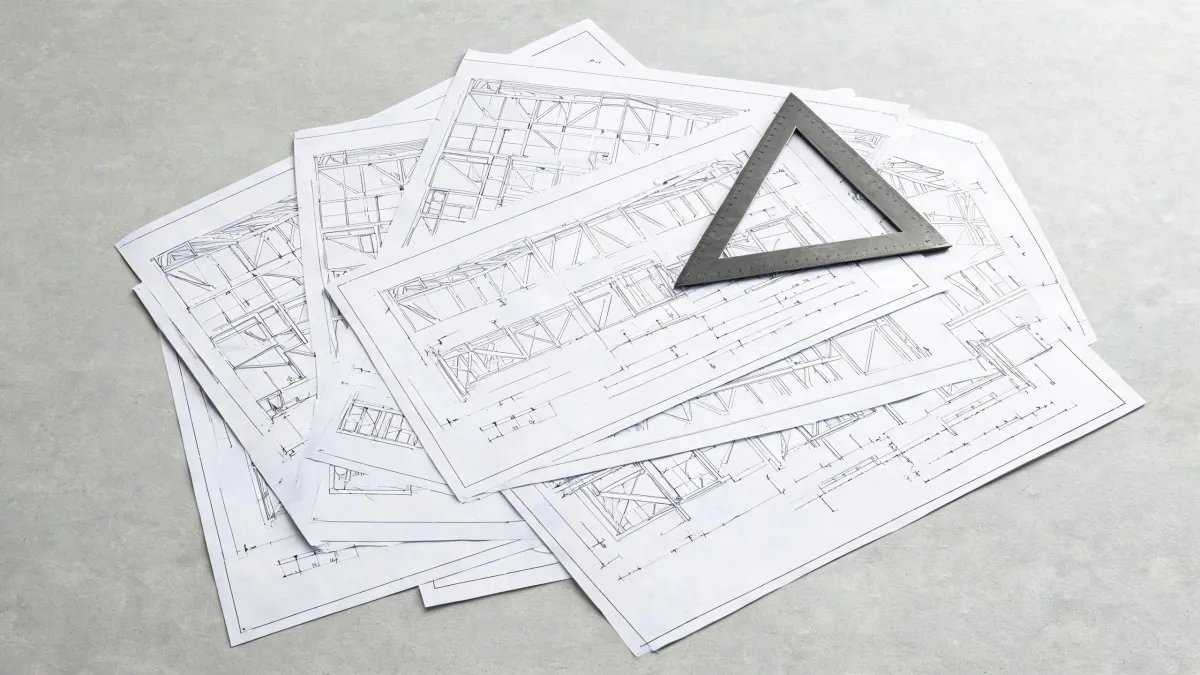
Before anyone quotes anything, put every price-moving variable on a single sheet. Width, length, eave height, bay spacing. Roof and wall panel spec—bare galvalume, colored, insulated, which R-value. Snow load and wind load written as numbers, not "meets local code." Whether doors, windows, skylights, mezzanines, or crane loads are in scope.
"Meets local code" is where comparisons die. Two fabricators in two different states will read that sentence differently. One prices to 30 psf, the other prices to 25. You get two quotes that look comparable and aren't.
For a Clear-Span Steel Building at multi-unit scale, add: column reactions at each frame line, whether the eave strut is a single piece or spliced, and the exact insulation system (faced blanket vs. liner panels are not the same price).
Step 2: Compare quotes on the same incoterm
FOB factory and delivered-to-site are not the same quote. If Star's dealer sends you FOB and a competing fabricator sends you DAP, you're not comparing anything.
Ask every supplier for two versions: FOB factory and delivered to the jobsite address. Then note which one they quoted. If they'll only do one, that's information—it usually means their freight network is thinner than they want to admit.
The larger the multi-unit order, the more this matters. Freight on a full truckload of steel moves slowly and expensively; freight on six truckloads can be a real line item, not a rounding error.
Step 3: Break freight, crane, and permits out of the lump sum
If the quote lumps freight into "delivered," ask them to break it out. Same for any crane assist at unloading, any special permits if the panels are oversize, and any local stamping fees.
I've watched two quotes look within 3% of each other on the front page and end up 11% apart once freight and unloading were separated. In my experience, a factory within a two-hour drive is sometimes worth 4-6% on installed cost even when their per-pound price is slightly higher. That's not a rule—it's a pattern, and it's worth checking.
To be fair, some suppliers quote delivered only because their internal freight team is genuinely better than anything the buyer could source separately. Ask the question. If the answer is "because we're better at it," that's a real answer.
Step 4: Confirm what "engineering included" actually means
This is the step most buyers skip.
"Engineering included" can mean at least three things:
- Anchor bolt plan only (no foundation design)
- Anchor bolt plan plus stamped foundation design for the specific site
- Full submittal package plus a local PE review stamp in the jurisdiction where the building permits
Those three are priced very differently. A quote that includes (a) and a competing quote that includes (c) can look close on paper and be 8-10% apart in reality once you pay for the difference.
I learned this one the expensive way in 2023. We skipped a third-party engineering review on a 3-unit clear-span package to save roughly $4,500. The anchor bolt plan ended up based on a different wind zone than the actual site. The retrofit—cutting anchor bolts, re-drilling, red-tag inspection, one full crane re-mobilization—came to almost $48,000. Maybe $52,000 after delay charges, I'd have to pull the file. Now every package in our review includes a one-line clause: list every engineering deliverable included, line by line.
Step 5: Ask how multi-unit pricing is structured
"Multi-unit discount" is not one thing. It can mean:
- A flat percentage off every unit after the first
- A tiered discount that only kicks in after unit 5 or 10
- A discount that applies to the order total but not to individual change orders later
Those structures produce very different final numbers depending on how your multi-unit project actually sequences. If you're building three now and three next year, a tiered discount that resets annually can cost you more than a flat per-unit discount.
And this is where I want to push back on something. Multi-unit does not have to mean fifty buildings. If you're buying three, you're still comparing alternatives, you still deserve line-item pricing, and a sourcing partner or dealer who won't quote a three-unit order is telling you something about how they'll treat you at thirty. The vendors that treated my smaller orders seriously earlier in my career are the ones my clients still use at scale. Small doesn't mean unimportant—it means potential.
Step 6: Price the lead time risk, not just the lead time
For multi-unit procurement, lead time is a chain, not a number. If unit 1 arrives late, units 2 through 6 usually do too, unless the supplier has separate production slots. Ask specifically: do these units share a production window, and if one slips, do the others slip with it?
Then put a dollar value on the slip. What does a week of delayed site work cost you? If it's $2,000 a day in crane, crew, and overhead, a quote with a 16-week lead time and a well-documented penalty clause can beat a quote with a 12-week lead time and a friendly handshake.
Ask what credit they actually pay out if they miss, and in what form—credit toward future orders, refund, or a discount on this order. Those three have very different cash impact.
Step 7: Normalize to cost-per-delivered-unit
Now do the math everyone else skips.
- Total landed cost ÷ number of buildings = cost per delivered unit.
- Cost per delivered unit ÷ square footage = normalized per-square-foot cost.
- Add a contingency line—5% is what we use—for the change orders you will actually place after award.
That third line is what makes the comparison real. The quote with no contingency and the quote with 5% contingency are not the same quote, and the cheapest one at award is often not the cheapest at 100% complete.
This is also where a sourcing partner earns their keep, honestly. Getting five fabricators to quote on the same anchor spec sheet, at the same incoterm, with identical engineering deliverables, is a fair amount of legwork. That's the comparison you can trust. Whether you do it in-house or through a sourcing partner like CoreSpan Sourcing, the checklist is the same.
Common Mistakes Worth Avoiding
Comparing per-square-foot before confirming specs match. Per-square-foot is the last number you should look at, not the first. It's a summary, not a comparison.
Assuming "included" is included. See step 4. Get it in writing, line by line, on every quote.
Rolling multi-unit into one lump sum. If you lose line-item visibility, you lose the ability to see which building in the sequence is expensive and why. Keep the units broken out.
Forgetting to put the anchor spec on the PO. The anchor spec is a contract document, not an internal file. If it isn't attached to the purchase order, it isn't binding. I've seen this exact gap cost more than any price negotiation saved.
None of this is complicated. It's mostly about being disciplined enough to compare the same thing on the same terms before anyone talks about price. Star Building Systems is a legitimate option, and so are the alternatives. But the only comparison worth running is the one where the numbers are actually comparable.
Share this note: WhatsApp

Jane Smith
I’m Jane Smith, a senior content writer with over 15 years of experience in the packaging and printing industry. I specialize in writing about the latest trends, technologies, and best practices in packaging design, sustainability, and printing techniques. My goal is to help businesses understand complex printing processes and design solutions that enhance both product packaging and brand visibility.
Ask about a line in this note
Use the same inquiry form. Name the building use and the open specification. This does not publish a public comment.